The placenta is located lower than normal in the uterus, near or possibly overlying the cervix. This is often found during ultra screening in the middle of one's pregnancy. This simply means that the placenta will usually move out of the way as the uterus continues to enlarge with the growing fetus. However, bleeding can happen if it remains low lying and a cesarean delivery might be needed. The woman is usually advised by the doctor to stay at home, restrict her activities, and monitor her condition. Most women will go on to carry their Low-Lying Placenta pregnancies entirely normally and healthily with proper attention and care.
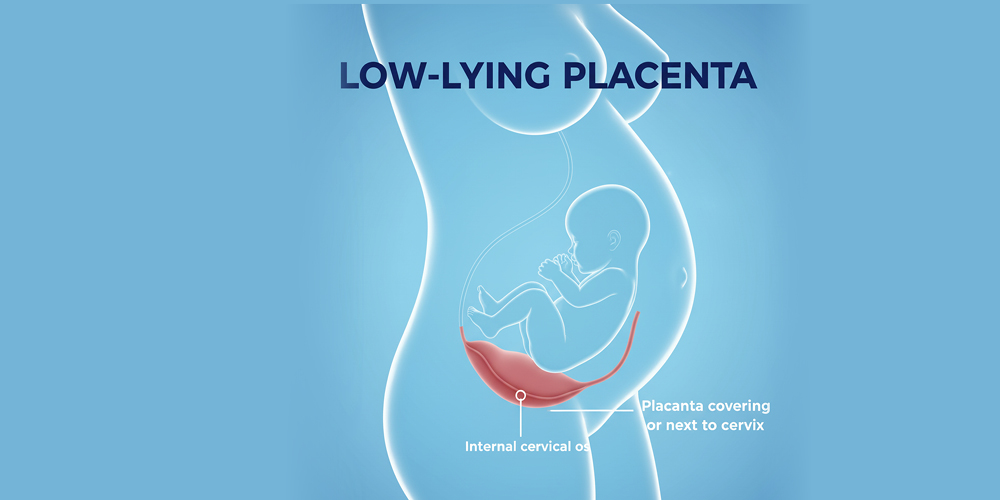
Posterior Low-Lying Placenta is a medical term that refers to a placenta that is attached to the back wall of the uterine cavity but quite low or closer to the cervix. In some cases, this position may occasionally lead to complications consisting of some light bleeding or even discomfort in the later months of pregnancy. The diagnosis is made primarily from an ultrasound examination, which doctors usually use to track the status of the placenta as the baby grows.
Strangely, in most cases, the placenta shifts upwards with the enlarging uterus, minimizing any risk. If, however, it does stay low towards the last months, then doctors may advise to have more rest and to avoid heavy activities, while a cesarean delivery would be planned for safety. Regular follow-up scans are necessary to follow placenta movement and make sure the baby's growth and oxygen supply are not affected. Most women who have a posterior low lying placenta have a safe and healthy pregnancy if they receive the right treatment in time and follow medical advice
An Anterior Low Placenta refers to a type of placenta that is situated on the anterior portion of the uterus and is low-lying, being held within the lower areas, very close to the cervix. During pregnancy, that can be small bleeding or even a feeling of pressure in the lower abdomen. The womb grows normally, with the forward and gradual projection of the placenta, and is rarely seen as a problem. If a placenta is still low in the last months of pregnancy, the treating doctor may mandate complete bed rest and checkups every so often in order to ensure safety for both the mother and baby. With appropriate nursing, such cases may develop into healthy pregnancies. A Low Placenta Ultrasound will make the exact location visible in the movement of the placenta as a pregnancy progresses. It ensures proper growth data of the baby and helps determine the safest delivery plan.
Low lying placenta might cause alarm many times; it is a beginning condition. Diagnosis is made mainly by routine mid-second-trimester sonogram, and in most cases, it migrates upward as the uterine size grows. Normal effects on pregnancy ensue when the placenta vascularizes from the cervix. When it remains low, however, some vaginal bleeding may occur, or a normal delivery may become difficult in the months that follow. In those cases, a recommendation will be made for more rest until a cesarean section can be safely planned, considering safety and health for mother and baby. Steady observations and timely medical interventions would surely deliver the majority of these women into the beautiful arms of successful motherhood and effortless delivery.
Strangely, in most cases, the placenta shifts upwards with the enlarging uterus, minimizing any risk. If, however, it does stay low towards the last months, then doctors may advise to have more rest and to avoid heavy activities, while a cesarean delivery would be planned for safety. Regular follow-up scans are necessary to follow placenta movement and make sure the baby's growth and oxygen supply are not affected. Most women who have a posterior low lying placenta have a safe and healthy pregnancy if they receive the right treatment in time and follow medical advice
A low lying placenta is a placenta that lies healthy down and covers the cervix just like it would throughout the entire pregnancy. This condition is normally diagnosed by an ultrasound scan at around 20 weeks. As the uterus grows, it migrates upward and therefore would have a reduced risk factor. Should it fail to migrate, then the doctor will probably advise general precautionary measures such as having more bed rest, no heavy lifting, and limited travel; and they would also need to ensure that the fetus is well and growing well. Periodic checkups are mandatory.
Treatment for low or low-lying placenta is mainly for symptom relief and prevention of complications. Bed rest or activity restriction may be recommended according to the condition of the patient. In addition, intense workout and sexual activities should be avoided. You will also need periodic ultrasound scans for the assessment of placental position and functions. If it looks like it is not moving, cesarean delivery will have to be planned. Most women who go through the procedures with great care and in a timely manner will have their pregnancies safely conducted and will deliver an excellent baby.
The Low Lying Placenta Symptoms of the presence of easy bleeding from the vagina which is really noticed after some form of activity or, usually, later during the months of the pregnancy. Some women may also complain of some form of Lower belly pressure or discomfort. But, many women may have no symptoms with the condition most probably discovered during ultrasound. For a low lying placenta might include not lifting heavyweights, resting, and frequent visits to the doctor. Most pregnancies can progress safely with care.
Having a Low Lying Placenta for 12 Weeks is very common, and most of the time, there is no basis for concern. As the uterus grows, the placenta usually moves upwards with it and often resolves on its own.
One of the most important decisions a couple will ever have to make is selecting the best facility for pregnancy and fertility care. Dr. Aravind's IVF is the Best IVF Clinic in Chennai. This also includes advanced treatment plans that are compassionate and specific. The center is well equipped with the latest medical technology and also experienced not only with the doctors but the supportive environment, which helps women to go through conditions like a low lying placenta comfortably and confidently.. Every treatment is tailored to fulfill each patient's unique needs in order to provide the greatest level of comfort and best possible results. Dr. Aravind's IVF is still the most reputable name in maternity and fertility care due to its commitment to safety, compassion, and success.