Conception requires a normal endometrium, as it is the site for implantation and embryonic development. Many women suffer from delays in conception or repeated failures at implantation due to this lining being abnormally thin. Since most women experience no symptoms, an early assessment within the fertility plan is crucial. This thin lining may be a result of hormonal dysfunction, infections, or decreased blood supply, and early diagnosis may allow for better treatment options. Most often, the doctor tracks this during an ultrasound along with tracking the cycle.
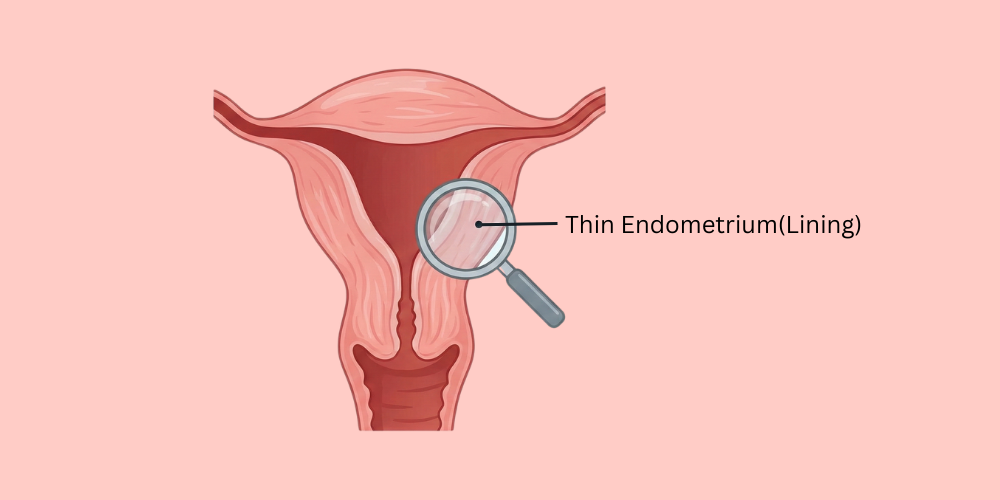
The thin lining may have a hormonal etiology, infection, or decreased blood perfusion, and early detection could allow for corrective intervention. Mostly, this is detected by a physician during an ultrasound scan performed within the cycle.
The endometrium causes is a dynamic tissue that transforms throughout the menstrual cycle: It is under estrogen influence that it grows, while its receptivity is prepared under progesterone, each month preparing for a possible pregnancy. Proper development of the lining increases the chances for natural conception as well as IVF success. But when the lining grows poorly, it becomes difficult for an embryo to implant or attach. Hence, fertility experts give much emphasis to monitoring it through treatment cycles.
When searching for the reasons behind a thin lining, health experts check hormonal balance, previous operations, infections, and certain lifestyle factors. Conditions contributing include PCOS, uterine fibroid, tuberculosis, chronic inflammatory condition, and smoking or poor blood circulation. Each etiology requires its form of treatment, hence the importance of a proper diagnosis that will help the specialists to formulate a targeted remedy plan that supports healing in utero and better reproduction outcomes.
Transvaginal ultrasound investigations are used to ascertain the lining's thickness, texture, and blood flow. This helps find out if it grows regularly during different periods of the cycle. The pattern of this also helps find out about the hormonal response and the readiness for implantation.
Sometimes additional evaluation such as hysteroscopy or hormonal evaluation is performed to rule out hidden structural problems or infections. This perfects the assessment before planning other treatments. Therapies vary by diagnosis-hormonal, structural, or circulatory. Estrogen therapy is one of the most commonly used therapies as it directly induces growth of the lining. Of the vaginal methods, estrogen is much better than oral tablets in promoting thickness in a shorter time. For such patients who do not respond to conventional treatments, advanced therapies such as PRP, G-CSF infusion, and stem cell therapy are employed. These therapies encourage cell regeneration and provide better growth stimulus.
Much has been said about improvement in reproductive health from healthy lifestyle choices; exercise, for instance, improves the pelvic blood supply while stress techniques such as yoga and meditation create the balance of hormones. A nutrient-rich diet provides the necessary building blocks to the tissues. The uterine tissues are nourished by a diet rich in antioxidants, vitamin E, omega-3 fatty acids, and iron. Medical supervision is a must during supplement intake, particularly in fertility treatment.
Hormonal imbalance is one of the most common causes of thin lining. Estrogen supplements help tissue grow naturally while progesterone prepares the lining for possible implantation. The dosage is modified according to whether it is an actual cycle or an IVF cycle. Because most women respond favorably with the administration of this approach, it is usually the first treatment modality considered. As soon as hormone levels stabilize, their function begins to support lining growth.
Intrauterine blood circulation is essential for feeding cells and growing tissues. If blood circulation has to be maximized, the doctor may give medication to improve its vascular response. The treatments such as vaginal sildenafil (medicated Viagra) act rapidly and efficiently to help increase blood flow. Complementary therapies such as physiotherapy, acupuncture, and specialized yoga can also help boost circulation naturally, especially when paired with some medical treatment.
The role of nutrition in reproductive health is beyond important. Leafy green vegetables, pomegranate, beetroot, nuts, and berries help blood flow to various tissues in the body. A healthy diet provides the necessary conditions for the body to keep hormones balanced and to prepare for good cycles.Other patients may also be candidates for vitamin E or vitamin C, as well as some L-arginine or folic acid. These nutrients have been classified as enhancers of circulation and cellular growth, thus allowing the formation of good lining when properly induced by a specialist.
Stem cell therapy is an advanced revolutionary method offering new hope for women who have a chronically thin lining. It works through tissue repair stimulation and enhancing cellular regeneration of the endometrial lining. PRP is quite similar in that: Very often, it is offered as an alternative treatment to women suffering from thin endometrial linings. Typically, these advanced techniques are only offered to women who do not have the desired results from first-line treatment options; however, the success stories from women using these techniques have been very encouraging, especially for use early in IVF incubation.
The poor implantation of even the healthiest embryos is often due to a thin lining. That is why the IVF specialists carefully examine the uterine environment before embarking upon transferring embryos. If the lining is not of the desired thickness, the transfer is usually postponed. Allowing a longer time for the uterus to have a response duration makes a big difference in the end-this benefit is a big factor in clinical success with IVF. Continuous monitoring makes certain that the cycle is progressed only when the odds are optimum.
Heavy problems with uterine lining thickness tend to work on the already drained emotions. Much of the discouragement felt by women seems to stem from a slow-moving mediocrity in what appears to be improvement. On the contrary, change is always possible if taken into proper consideration and treated accordingly. " Thus, having a healthy and cooperative medical team allows one some ease when under stress traveling through their journey. Mental wellness pushes forward hormonal equilibrium and enhances the best way of physical manifestations. Supportive companionship, counseling, and all self-care practices make such treatment more digestible to fertilization purposes.
Women with thin-layer problems can now carry healthy pregnancies thanks to modern medical treatments and other supportive therapies. Most times, early diagnoses and individualized treatments coupled with persistent follow-ups create better chances of success. The combination of medical treatment and lifestyle changes optimally improve uterine responses allowing safe implantation, thus improving the fertility outcome.
Dr. Aravind's IVF delivers modern, personalized care for women struggling with Thin Endometrium using precise diagnostics and evidence-based treatments to achieve healthier uterine lining. Under Dr. Aravind's supervision, tailored care plans are prepared for patients and may include estrogen therapy, PRP, G-CSF infusion, and blood-flow enhancement techniques with constant monitoring for maximum outputs of results. Modern technology, experienced staff, and an empathetic touch are deeply sensed in the Best IVF centre in Chennai, thus, most importantly, ensuring that every woman is equipped with the necessary guidance towards better implantation and successful conception. Focused on recovery of the endometrium and fertility outcomes, this needs specialist supervision to combat the thin lining obstacles, making way for many couples' healthy conception journey.


